Wondering what is e-waste and whether your dead gadgets count? Yes: it’s any discarded product with a plug or battery, and the world made a record 62 million tonnes of it in 2022.
This guide is part of our look at the environmental impact of technology, and it covers the basics of e-waste.
| Item | Value |
|---|---|
| E-waste generated worldwide in 2022 | 62 million tonnes |
| Rise in e-waste since 2010 | 82% |
| Share documented as properly collected and recycled in 2022 | 22.3% |
| Projected e-waste in 2030 | 82 million tonnes |
| Recoverable natural resources unaccounted for | US $62 billion |
| Rare earth element demand met by e-waste recycling | 1% |
These figures come from the UN-backed Global e-Waste Monitor 2024 press release, dated 20 March 2024. Figures can change as new reports appear, so check the source before you rely on them.
What counts as electronic waste
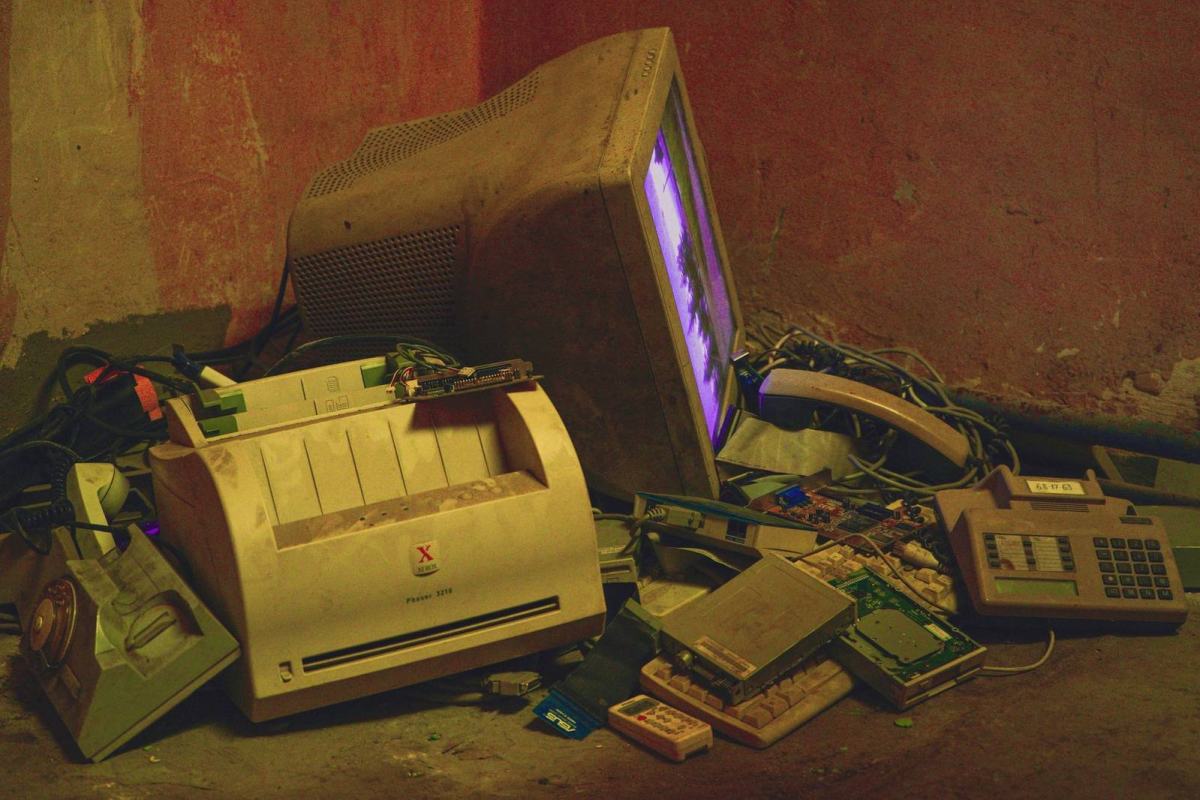
The Global E-waste Monitor describes e-waste as any discarded product with a plug or battery. That is a much wider net than old laptops and phones.
The report points to the range of electronics that people now use every day:
- Multiple computers and phones per person
- Appliances, monitors and sensors
- E-bikes and e-scooters
- Clothes, toys and furniture with embedded electronics
- Electric tools
- Energy-saving equipment such as LEDs, photovoltaics and heat pumps
The report adds that urban and remote areas are increasingly connected to the internet, and a growing number of data centers serve the digital transformation. More connected things today means more discarded things later.
How much e-waste does the world produce?
A record 62 million tonnes of e-waste was produced in 2022, up 82% from 2010. That would fill 1.55 million 40-tonne trucks, enough to form a bumper-to-bumper line around the equator, according to the report from ITU and UNITAR.
The amount keeps climbing. Annual generation is rising by 2.6 million tonnes each year and is on track to reach 82 million tonnes by 2030, as of the report’s March 2024 release.
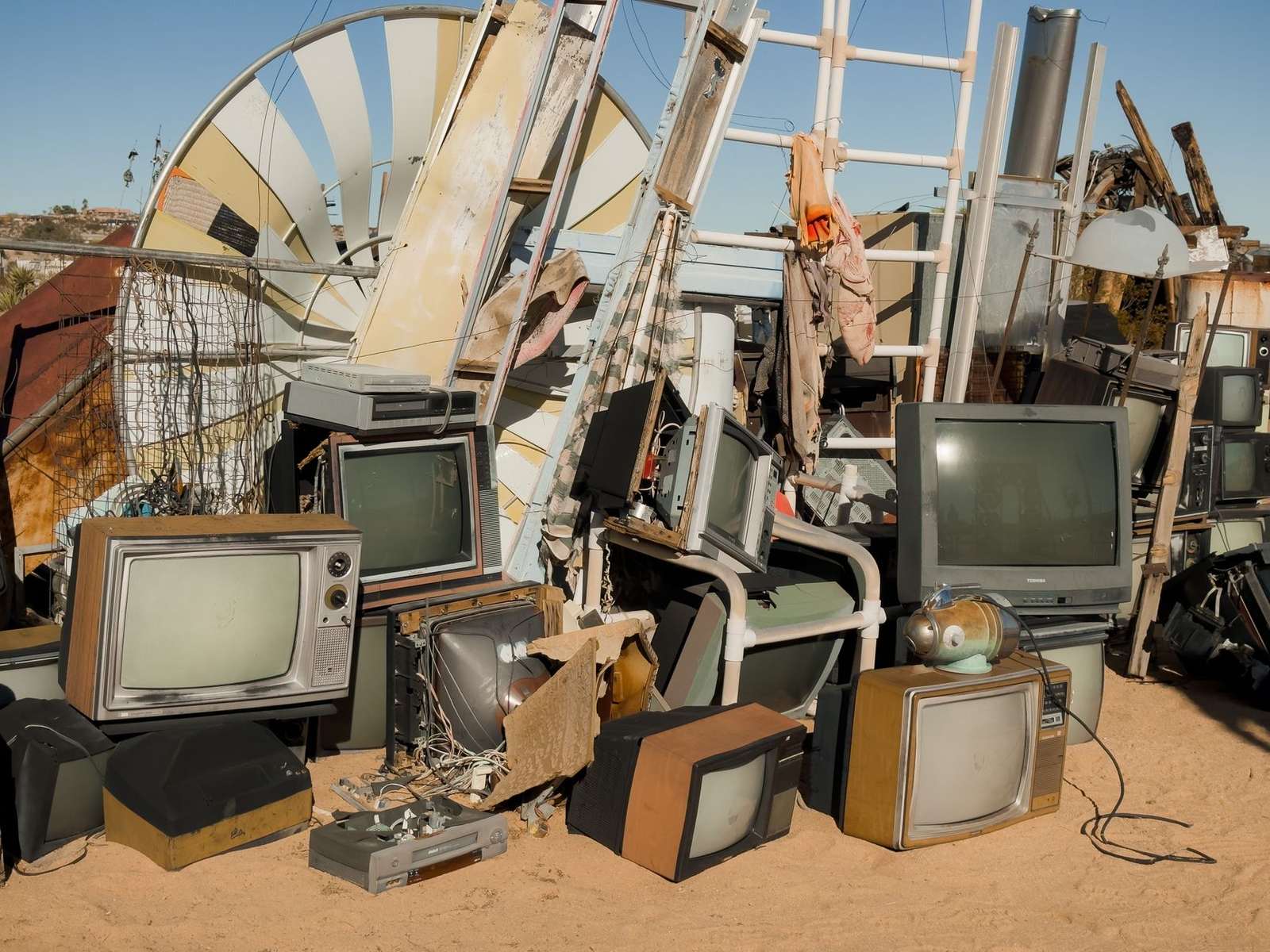
Why recycling is not keeping pace
The UN’s fourth Global E-waste Monitor found that e-waste is rising five times faster than documented recycling.
The report foresees the documented collection and recycling rate falling from 22.3% in 2022 to 20% by 2030. It lists several reasons for the widening gap:
- Technological progress
- Higher consumption
- Limited repair options
- Shorter product life cycles
- Society’s growing electronification
- Design shortcomings
- Inadequate e-waste management infrastructure
An ITU official quoted in the release says less than half of the world is implementing and enforcing approaches to manage the problem. That is why the release calls for stronger regulation to boost collection and recycling.
Why e-waste matters for health and resources
E-waste is a health and environmental hazard. It can contain toxic additives or hazardous substances such as mercury, which can damage the human brain and coordination system. Poor recycling also increases pollution risks to communities worldwide.
There is also a resource cost. The unrecycled share leaves US $62 billion worth of recoverable natural resources unaccounted for.
Rare earth elements show the gap clearly. The report says e-waste recycling meets just 1% of demand for them, even though they are crucial for technologies such as renewable energy generation and e-mobility. It also says the world remains dependent on a few countries for these elements.
If you want the emissions side of one everyday device, read the carbon footprint of a smartphone. Data centers are another pressure the report names, and the carbon footprint of ai covers a related topic.
What could change the picture
The report argues that better management would pay for itself. If countries raised collection and recycling rates to 60% by 2030, the benefits would exceed costs by more than US $38 billion, including from reduced human health risks.
The report’s lead author calls for these steps:
- Greater investment in infrastructure development
- More promotion of repair and reuse
- Capacity building
- Measures to stop illegal e-waste shipments
For you, the emphasis on repair and reuse points to a simple habit: ask whether a device can be fixed or passed on before you bin it. The report itself targets governments and industry, so treat that as a practical reading rather than a quoted recommendation.
Frequently asked questions
What is e-waste in simple terms?
Show answer
It is any discarded product with a plug or battery, according to the UN-backed Global e-Waste Monitor 2024 release of 20 March 2024.
How much e-waste was produced in 2022?
Show answer
A record 62 million tonnes. Of that, 22.3% was documented as properly collected and recycled.
Why is e-waste hazardous?
Show answer
Discarded devices can carry toxic additives. Mercury is the example the release gives, and it says the metal can harm the human brain and coordination system.
Will e-waste keep growing?
Show answer
As of the March 2024 report, generation is on track to reach 82 million tonnes by 2030, while the documented recycling rate is foreseen to fall to 20%.
Can recycling e-waste supply rare earth elements?
Show answer
Only in a small way so far. Just 1% of rare earth element demand is met by e-waste recycling, per the same release.