Worried that your daily choices barely move the needle? Here is how to reduce your carbon footprint: cut car and flight use first, then look at food and home energy, because those shifts count most.
For the wider context, start with this guide to what is sustainability.
| Item | Value |
|---|---|
| Living without a car | 2 tonnes of CO₂ per person per year (average) |
| Avoiding one long distance return flight | 1.9 tonnes of CO₂ (average) |
| Individual actions analysed for the IPCC report | 60 actions |
| Warming limit that net zero by mid-century aims to hold | 1.5°C above pre-industrial levels |
| Share of global emissions from 100 companies since 1988 | More than 70% |
These figures come from The Conversation and Carbon Herald. Figures can change as research is updated, so check the source before you rely on them.
Why the biggest cuts come from avoiding, shifting and improving
Limiting global warming to 1.5°C above pre-industrial levels requires reaching net zero emissions by the middle of this century, according to a Conversation article published July 1, 2022. That is why individual habits are worth looking at.
The same article describes an IPCC chapter that analysed 60 individual actions. The researchers grouped them into three areas:
- Avoid: stop consuming something altogether.
- Shift: swap one way of doing things for a lower-carbon one.
- Improve: keep doing the same thing, but more efficiently.
Your footprint is the total of the gases released by everyday activity. If the term is new to you, our guide on what are greenhouse gases explains what counts toward it.
Avoid: the car and the long-distance flight
The article says the most effective things to avoid involve transport. Living without a car cuts emissions by an average of 2 tonnes of CO₂ per person per year.
Avoiding a single long distance return flight cuts an average of 1.9 tonnes. The author compares that with driving a typical EU car more than 16,000km from Hamburg, Germany to Ulaanbaatar, Mongolia and back.
Most of the world’s population does not fly at all, and only a small share of those who do fly often. For frequent fliers, each flight skipped is therefore a very substantial reduction.
You may not be able to give up your car. In that case, the next section shows lower-carbon ways to get around.
Shift: change how you get around and what you eat
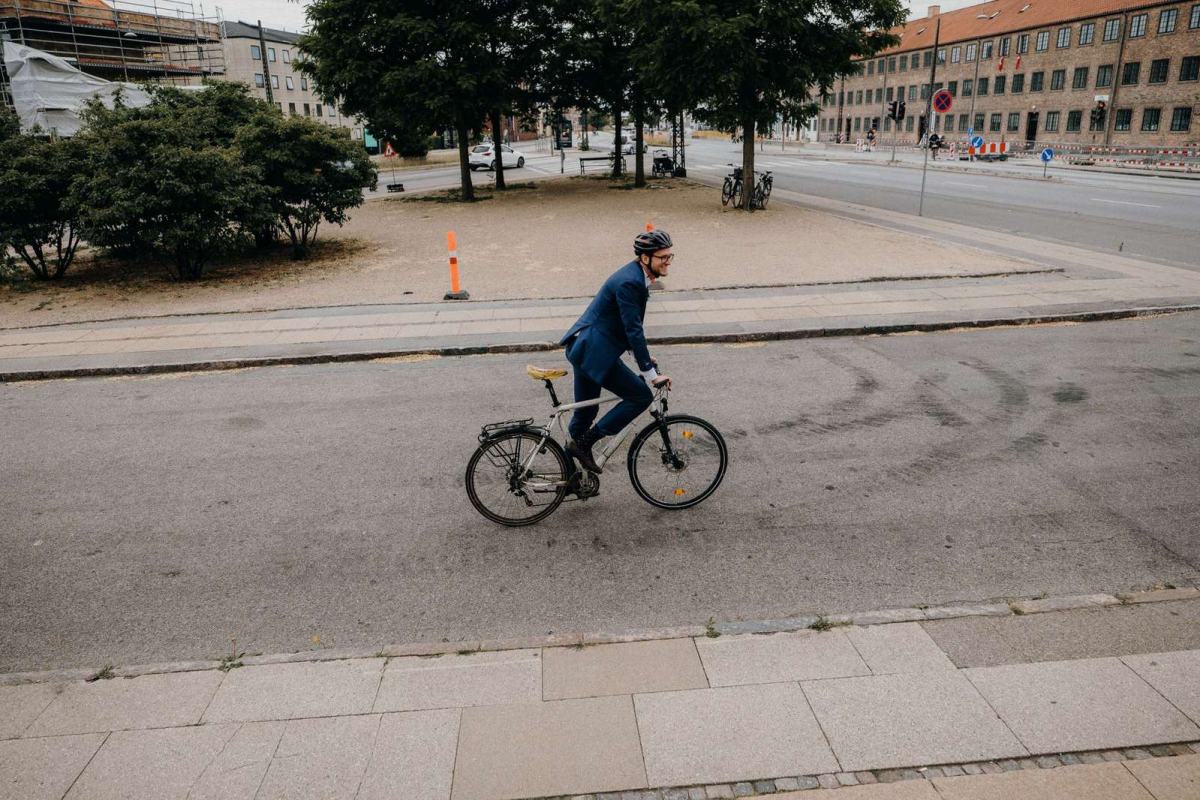
Large reductions also come from doing things differently, not only from giving things up. Because driving is so polluting, moving to public transport, walking or cycling can make an enormous change. It also brings benefits for your health and for local air pollution.
Food is the second big shift. Meat and dairy have high emissions, particularly from farming sheep and cows, so a more sustainable diet can substantially lower your footprint.
- A totally vegan diet is the most effective dietary change.
- Switching from beef and lamb to pork and chicken still brings sizeable savings.
- Choosing plant-based options more often and cutting food waste also help, according to Carbon Copy.
Pick the version you can keep up. A change you stick with beats a perfect plan you drop after a month.
Improve: home energy, your car and what you buy
The things you already do can be made more efficient. The Conversation article names insulation and heat pumps, plus producing your own renewable energy with solar panels. Carbon Copy adds switching to renewable electricity and using energy efficient lighting, and notes that using less energy at home can also lower costs.
If you drive, a battery electric car generates much larger emissions reductions than a hybrid or fuel cell EV, according to the same Conversation article. Its effect grows as more electricity comes from renewables.
What you buy matters too. Carbon Copy says repairing, reusing and recycling lowers demand for new materials and cuts emissions from manufacturing and transport. Choosing durable, well made products helps over the long run.
Does personal action really matter?
It does, but it is not the whole story. A study cited by Carbon Herald says just 100 companies have been responsible for more than 70% of the world’s greenhouse gas emissions since 1988.
Carbon Copy makes a similar point: a carbon footprint is not the whole story, and many big sources of emissions sit in systems that individuals cannot change alone. It adds that personal action matters most when it supports that wider change.
The Conversation author agrees that these changes need to be backed by major political action. That includes better, safer public transport and bike lanes, so people have real alternatives to driving and flying.
Measure your starting point, then keep going
You do not need to fix everything at once. Work out where your own emissions come from, and our guide on how to calculate your carbon footprint shows you how.
- List your biggest sources: car use, flights, diet and home energy.
- Pick the largest one you can realistically change.
- Make that change for a few months before adding another.
- Share what worked with friends, family or a local group.
Every tonne counts on the way to net zero, as the Conversation author puts it. Small steps add up, especially when many people take them together.
Frequently asked questions
What is the single biggest thing I can do?
Show answer
For the actions analysed in the IPCC chapter, the biggest are transport ones. Living without a car cuts an average of 2 tonnes of CO₂ per person per year, and avoiding one long distance return flight cuts an average of 1.9 tonnes, per The Conversation.
Do I have to go fully vegan?
Show answer
No. A totally vegan diet is the most effective dietary change, but sizeable savings can be made simply by switching from beef and lamb to pork and chicken, according to the same article.
Is a battery electric car better than a hybrid?
Show answer
The Conversation article says a battery EV generates much larger emissions reductions than hybrid or fuel cell EVs. Its effect on emissions grows as the share of renewable electricity grows.
Is a carbon footprint a useful measure?
Show answer
Yes, as one tool. Carbon Copy says it can still be useful for thinking about emissions, but should support wider change rather than replace it.