Starting out and unsure where to begin? The best sustainable living tips for beginners are small and low-cost: use less energy and water, buy less, reuse what you own, and change one habit at a time.
If you want the bigger picture first, read the primer on what is sustainability.
| Item | Value |
|---|---|
| Share of carbon emissions that come from households | Around 40% |
| Average home’s CO₂ output | 8.2 tonnes of CO₂ per year |
| Clothing industry’s share of global greenhouse gas emissions | 10% (1.2 billion tonnes of CO₂ per year) |
| Water needed to produce one pound of beef | Approximately 1,850 gallons |
| Plastic added to the waste stream by bottled-water dependence | More than a million tons per year |
These figures come from EarthHero and Environmental Science For Dummies. They can change, so check the sources before you rely on them.
What does sustainable living actually mean?
Sustainable living means using resources today in a way that maintains their supplies for the future, according to Environmental Science For Dummies. It does not mean living without luxuries. It means being aware of what you consume and cutting unnecessary waste.
You also do not have to be perfect. The Common Wanderer puts it this way: we do not need a few people practising sustainability perfectly, but millions of them doing it imperfectly.
Households matter more than many people expect. EarthHero reports that around 40% of carbon emissions come from households, with the average home producing 8.2 tonnes of CO₂ per year. Much of that comes from how we heat and power our homes, as well as transport and food, which is why the sections below follow those areas.
The same EarthHero article says global carbon emissions must fall by about half by 2030 to meet the 1.5°C target of the Paris Climate Agreement. Its advice is to treat changes as long-term habits rather than a short burst, because it does not have to be an ‘all or nothing’ change.
Start with your mindset and easy habits
The simplest way in is to question one routine at a time: how you buy food, clothes or furniture, and how you throw them away. The Common Wanderer says you do not have to make a million changes all at once, and suggests moving from a ‘consume first’ mindset to a more mindful one.
Make the new habit the easy one. The same guide suggests setting yourself up to succeed with a few small prompts:
- Keep reusable bags in your car or hanging by the door.
- Stash a metal straw or a cutlery set in your handbag or backpack.
- Put your reusable water bottle by the front door so you never forget it.
Once these are routine, you will notice other places where a better option exists. That is the domino effect the guide describes, and it keeps the process manageable.
Cut energy and water use at home
Becoming more environmentally friendly often begins by looking at your energy use, says EarthHero. Environmental Science For Dummies lists several no-cost starting points:
- Turn off appliances and lights that you are not using.
- Use a programmable thermostat that adjusts the temperature when you are not home.
- Hang clothes to dry instead of using the dryer.
- Open windows for a breeze instead of switching on the air conditioning.
If you can invest a little more, EarthHero suggests choosing LED light bulbs and energy-efficient appliances, and draught-proofing and insulating your home so it stays warmer without leaning on central heating. It also says heat pumps are significantly more energy-saving than standalone gas boilers, if switching is feasible for you.
Water is the other half of the home. Dummies points to water-saving shower heads and aerators on sink faucets as effective ways to reduce household use. Outdoors, it recommends drought-tolerant plants suited to your soil and sun, and sprinklers that do not water the sidewalk or driveway.
Buy less, reuse more and cut plastic
EarthHero’s blunt advice is that the best thing you can buy for the environment and your bank account is nothing. New goods take a lot of energy and resources to make, so ask whether you need an item before you replace it.
That includes “green” shopping sprees. The Common Wanderer warns that buying eco-friendly products and discarding your not-so-friendly ones can make waste and consumption worse, and that the best sustainable products are the ones you already have.
Clothing is a good example. EarthHero says the clothing industry is responsible for 10% of global greenhouse gas emissions (1.2 billion tonnes of CO₂ released per year), and suggests buying second-hand from outlets or charity shops to help counteract this.
Plastic is the next target. The Common Wanderer says making plastic requires 10% of our global crude oil supply each year, and offers practical swaps:
- Ask for no straw, spoon or sauce cup when you order.
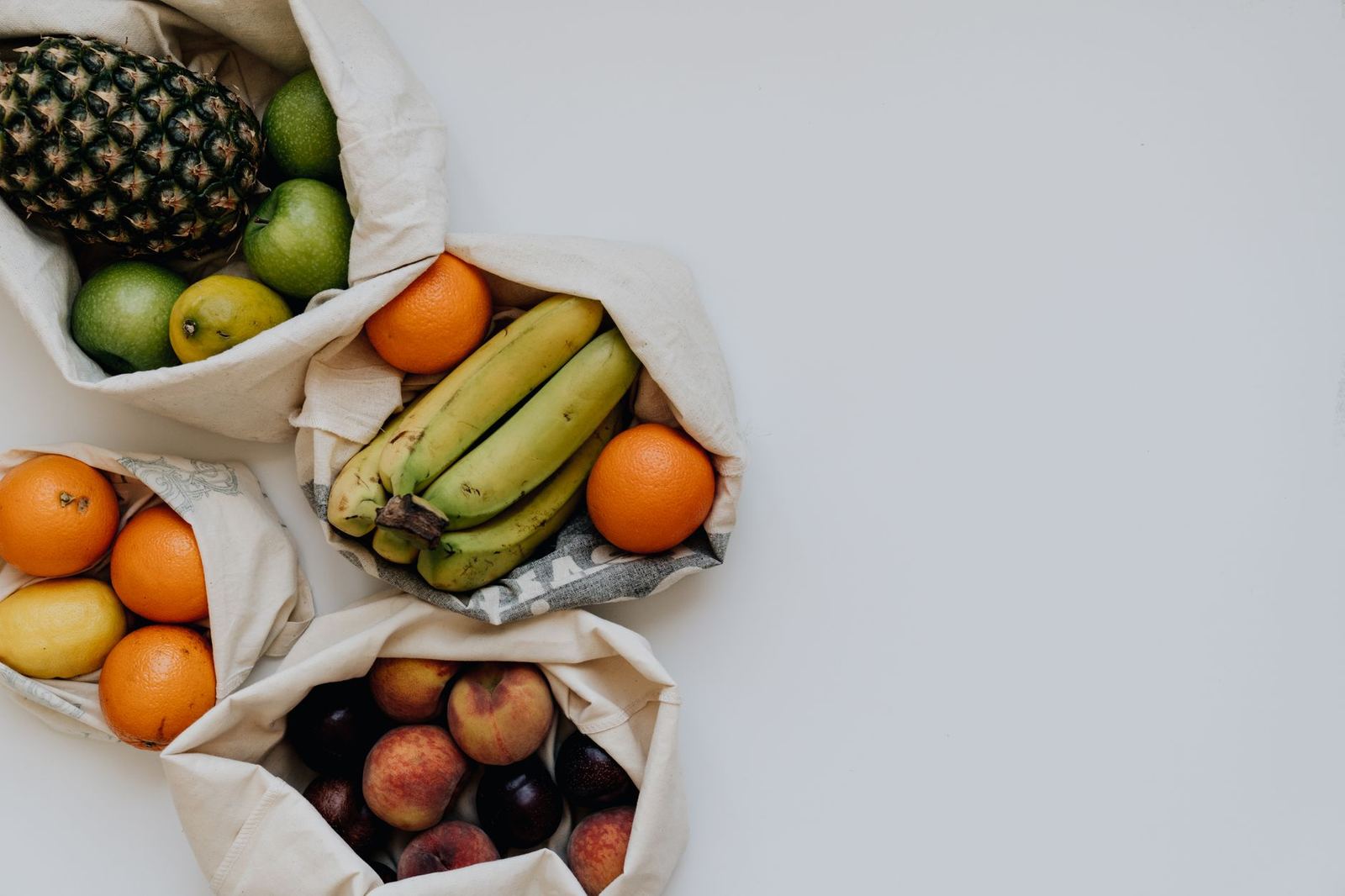
- Bring your own produce bags, or buy produce loose and wash it at home.
- Use a reusable coffee cup, or drink your coffee at the cafe.
- Try zero-waste toiletries such as solid shampoo bars and safety razors.
Bottled water deserves its own mention. Dummies says dependence on it has added more than a million tons of plastic to the waste stream every year, and suggests refillable bottles or a one-time investment in a filter if you dislike the taste. Its claim that most municipal supplies are safe is about the U.S., so check your own local water quality first.
When something truly reaches the end of its life, sort it properly. Dummies advises asking electronics recyclers where materials go and avoiding companies that ship e-waste overseas for unregulated “recycling”, while EarthHero suggests checking with your local waste management department about what can be recycled.
Food and travel choices
Eating less meat is one of the larger levers on EarthHero’s list. It says producing one pound of beef takes approximately 1,850 gallons of water, and that cutting back even a little reduces pressure on land used to grow animal feed. To see how different foods compare, read the guide to the carbon footprint of food.
Dummies adds two simple food habits. Eating locally avoids the fossil fuel energy needed to bring produce from global locations to your supermarket, and you can grow herbs or vegetables in a window box or on a patio without needing acres.
For getting around, EarthHero says walking, cycling or taking public transport are greener than driving, and Dummies suggests carpools and vanpools for commuters. If those are not feasible where you live, EarthHero says switching to an electric car is a more eco-friendly way to reduce emissions.
Some emissions, such as those from flying, are hard to avoid, and The Common Wanderer lists limiting your flying among its suggestions. Before you pay to cover leftover emissions, read the answer to do carbon offsets work.
A simple first-month plan
You do not need to do everything above. Use this order to build momentum without burning out:
- Pick one area, such as energy, plastic or food, and write down your current habits in it.
- Put your reusable bottle, bag and cup where you will see them on the way out.
- Use up, repair or resell what you already own before buying anything new.
- Add one more habit when the first feels automatic, such as hanging laundry to dry or eating a few more plant-based meals.
Review what stuck at the end of the month and keep only the habits you can maintain. That fits EarthHero’s advice that small, incremental changes combine into a long-term difference.
Frequently asked questions
Do small changes really make a difference?
Show answer
EarthHero says that despite the bleak outlook, every action, however little, can decrease the extent of damage done. Because households are responsible for around 40% of carbon emissions in its figures, everyday choices add up when many people make them.
Is sustainable living expensive?
Show answer
It does not have to be. The Common Wanderer says you do not need to spend lots of money on brand new sustainable items, and EarthHero notes that many of its suggested changes will help you save money.
Is tap water safe to drink instead of bottled water?
Show answer
Dummies says most municipal water supplies in the U.S. provide safe, clean, fresh water, but that statement is specific to the U.S. Check your local water quality report, and consider a filter if you dislike the flavor.
What should I change first?
Show answer
Energy use is a sensible start, since EarthHero says becoming more environmentally friendly often begins there. Pick one free habit, such as switching off unused lights, and add another once it sticks.