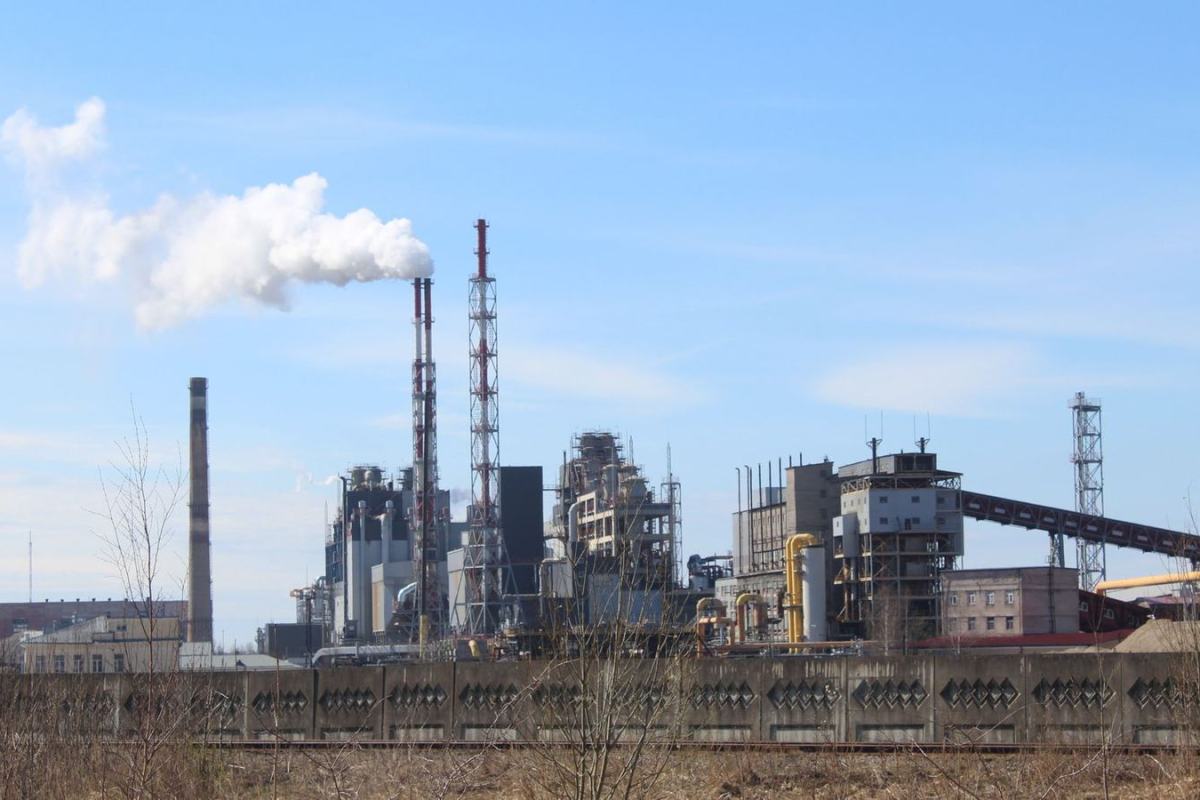
You hear about them constantly, but what are greenhouse gases? They are gases that trap heat in the atmosphere, mainly carbon dioxide, methane, nitrous oxide and fluorinated gases. Human activity, above all burning fossil fuels, has raised their levels.
This guide sits within the wider topic of what is sustainability, so start there if you want the big picture.
| Item | Value |
|---|---|
| Total U.S. greenhouse gas emissions, 2022 | 6,343 million metric tons of CO₂ equivalent |
| U.S. emissions offset by land and forests (net sink) | 13% |
| Global emissions from electricity and heat, 2019 | 34% |
| Global emissions from industry, 2019 | 24% |
| Global emissions from agriculture, forestry and other land use, 2019 | 22% |
| Global emissions from transportation, 2019 | 15% |
These figures come from the EPA’s overview of greenhouse gases and the EPA’s global greenhouse gas overview (a January 2025 snapshot). Figures can change as inventories are updated, so check the source before you rely on them.
The main greenhouse gases
The EPA describes greenhouse gases as gases that trap heat in the atmosphere. Four groups do most of the work, and each has its own typical sources, according to the EPA’s overview:
- Carbon dioxide (CO₂): released by burning fossil fuels (coal, natural gas and oil), solid waste, trees and other biological materials, and by chemical reactions such as cement production.
- Methane (CH₄): emitted during the production and transport of coal, natural gas and oil, by livestock and other agriculture, and by decaying organic waste in landfills.
- Nitrous oxide (N₂O): emitted by agricultural, land use and industrial activities, by burning fossil fuels and solid waste, and during wastewater treatment.
- Fluorinated gases: synthetic gases such as hydrofluorocarbons, perfluorocarbons, sulfur hexafluoride and nitrogen trifluoride, emitted from household, commercial and industrial applications.
Other compounds matter too. The EPA notes that water vapor and ground-level ozone can also affect the climate, and that water vapor occurs naturally as part of the global water cycle, as the EPA’s greenhouse gas page explains.
How do greenhouse gases trap heat?
Greenhouse gases trap some of the Earth’s outgoing energy, which retains heat in the atmosphere. That shifts the balance between the energy Earth receives from the sun and the energy it sends back out, according to the EPA.
Not every greenhouse gas has a human origin. Synthetic halocarbons come exclusively from human activities, while carbon dioxide occurs naturally but is found at elevated levels because of human inputs. Natural sources of methane include wetlands and termite mounds.
Natural factors such as the sun’s output, volcanic activity and the Earth’s orbit also affect the planet’s energy balance. Even so, the EPA’s greenhouse gas page says the net effect of human activities has been a continual increase in greenhouse gas concentrations beginning in the late 1700s. The EPA’s sources page adds that human activities are responsible for almost all of the increase in the atmosphere over the last 150 years.
Why do some gases warm more than others?
According to the EPA, each gas’s effect depends on three main factors:
- Abundance: how much of the gas is in the air, measured in parts per million, parts per billion and even parts per trillion.
- Lifetime: how long it stays in the atmosphere, from a few years to thousands of years. Long-lived gases become well mixed, so measurements are roughly the same all over the world.
- Strength: how effectively it absorbs energy, which is captured by its global warming potential.
The global warming potential (GWP) measures how much energy 1 ton of a gas will absorb over a given period, typically a 100-year time horizon, relative to 1 ton of carbon dioxide. To express emissions as CO₂ equivalent, you multiply them by the gas’s GWP. The EPA’s inventory uses 100-year GWPs from the IPCC’s Fifth Assessment Report.
This is why small volumes can still matter. Fluorinated gases are typically emitted in smaller quantities, but their GWPs typically range from thousands to tens of thousands. The EPA’s greenhouse gas page adds that it would take thousands of carbon dioxide molecules to equal the warming effect of a single molecule of sulfur hexafluoride.
Where greenhouse gases come from around the world
The EPA’s global overview, a snapshot dated January 19, 2025, splits emissions by economic sector using IPCC data for 2019. Here is the breakdown in the EPA’s global greenhouse gas overview:
- Electricity and heat production: 34%, the largest single source, from burning coal, natural gas and oil.
- Industry: 24%, mostly fossil fuels burned on site plus chemical, metallurgical and mineral processes.
- Agriculture, forestry and other land use: 22%, mostly crops, livestock and deforestation.
- Transportation: 15%, from fuels burned for road, rail, air and marine travel.
- Buildings: 6%, from onsite energy generation and burning fuels for heating and cooking.
Buildings rise to 16% when the electricity they use is counted in that sector instead. The same EPA overview names fossil fuel use as the primary source of CO₂, and notes that the land-use estimate does not include the CO₂ that ecosystems remove from the air.
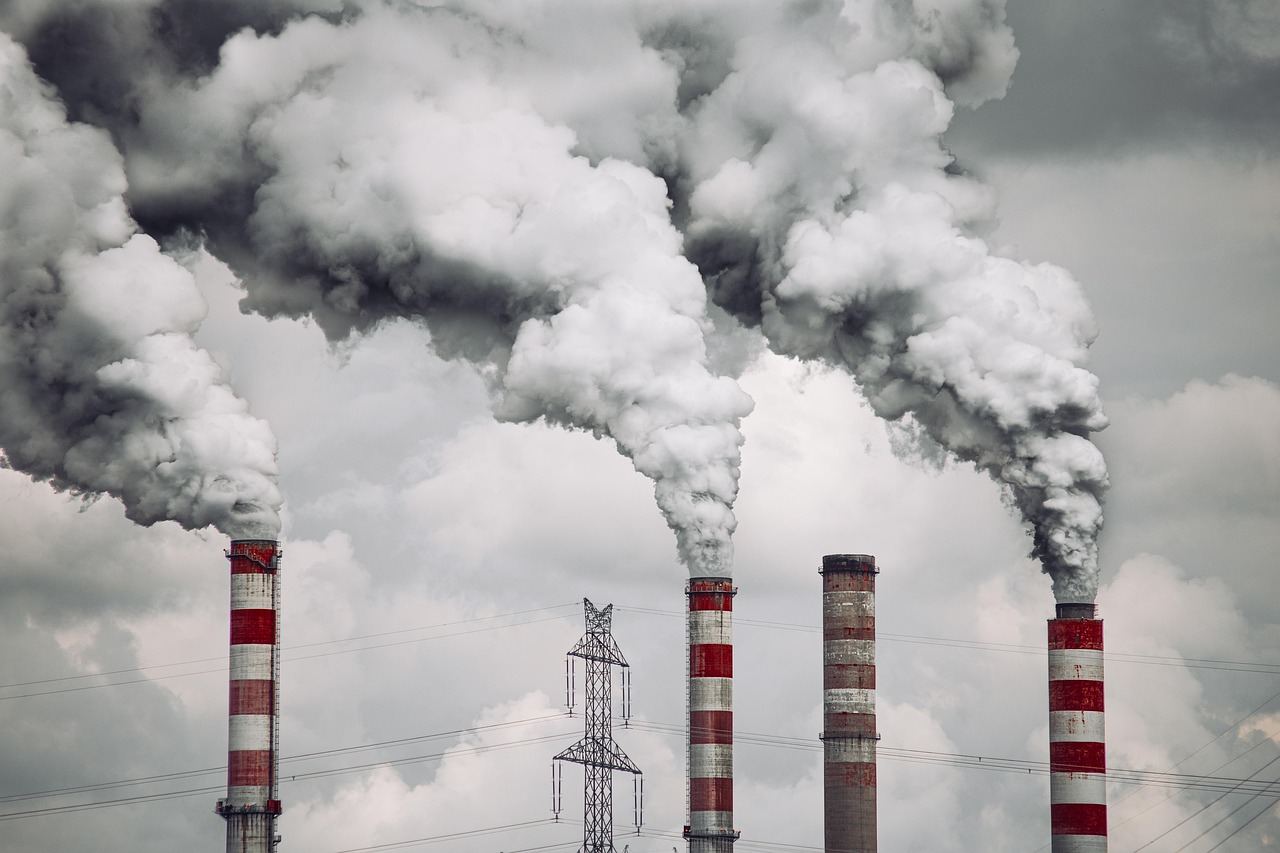
The U.S. picture in 2022
The EPA’s sources page puts total U.S. emissions in 2022 at 6,343.2 million metric tons of CO₂ equivalent. A million metric tons is roughly the same mass as a million small cars, so the total is hard to picture. What helps more is seeing where it comes from:
- Transportation: over 94% of transport fuel is petroleum based, mainly gasoline and diesel. It is the largest source of direct emissions.
- Electricity: in 2022, 60% of U.S. electricity came from burning fossil fuels, mostly coal and natural gas.
- Industry: the third largest source of direct emissions, from burning fossil fuels and from chemical reactions that turn raw materials into goods.
- Commercial and residential: fossil fuels burned for heat, gases used for refrigeration and cooling, and waste handling. Buildings use 75% of U.S. electricity, so this share grows when indirect emissions are counted.
- Agriculture: livestock such as cows, agricultural soils and rice production.
Land is the one part that can pull gases back out. Managed forests and other lands have been a net sink since 1990, offsetting 13% of gross emissions.
As of the EPA’s inventory covering 1990-2022, gross U.S. emissions had decreased by just over 3% since 1990. They rose 0.2% in 2022 compared with 2021, after a sharp fall in 2020 linked to the pandemic’s effect on travel and economic activity.
Turning the basics into action
Knowing the biggest sources shows you where your own choices count most: how you travel, how your home is heated and powered, and what you buy. The guide on how to reduce your carbon footprint turns that into practical steps.
Emissions claims on products and companies also make more sense once you know the gases involved. The explainer on what does carbon neutral mean shows how those emissions are counted and balanced.
Frequently asked questions
Is carbon dioxide the most important greenhouse gas?
Show answer
The EPA’s Report on the Environment page says CO₂ is widely reported as the most important human-caused greenhouse gas, because it accounts for the greatest portion of the warming associated with human activities. Other gases, such as fluorinated gases, trap far more heat per ton, so they can matter even in small amounts. You can read more on the EPA’s greenhouse gas page.
Are greenhouse gases natural?
Show answer
Some are. Carbon dioxide is part of the natural carbon cycle and water vapor is part of the water cycle. Synthetic halocarbons, by contrast, are emitted exclusively from human activities, according to the EPA.
What does CO₂ equivalent mean?
Show answer
It is a way to compare gases on one scale. To convert a gas into CO₂ equivalent, its emissions are multiplied by its global warming potential, as the EPA’s overview describes.
How long do greenhouse gases stay in the air?
Show answer
It varies by gas, from a few years to thousands of years. They stay long enough to become well mixed, so the amount measured is roughly the same all over the world regardless of where it was emitted, per the EPA.